

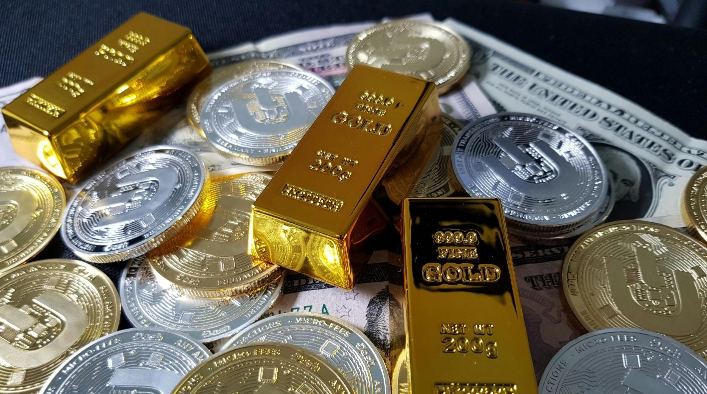
The process of selling gold is often perceived as stressful and confusing with numerous gold items selling for different amounts. This article will discuss some of the main influences on what any purchaser is willing to pay for your gold items. With this understanding, gold sellers can get a better perspective on the offers they receive from buyers and understand why differences exist.
How Purity Impacts Value
The purity of gold is the greatest determinant it has on value and is seen through its karat (jewelry) or fineness number (coins/bars), but in the end, they measure the same thing. Pure gold is 24 karats, though 100% of jewelry will be alloyed as pure gold is too soft and has no strength, and coins or bars will always be under their fineness number, for example, coins/bars will have the fineness number of .999 or .916 describing how much is pure gold. Read more on this page.
Furthermore, before accepting an argument on gold, sellers, specifically jewelry, should be mindful of the markings and understand what they mean as differences in purity means different melt prices and hence final cash payout. A reputable buyer shall weigh and test your item for purity in front of you so that initial pricing is understood by everyone before discussion.
- Markings for jewelry: 24K (pure), 22K (916), 18K (750), 14K (585) – the higher the karat means more gold.
- Fineness for coin/bar: Some commonly accepted standards for bullion coins and bombs are .999 or .9999.
- Testing verification: The methods for testing include, acid test, electronic meter, or XRF analyzer prior to pricing.
Does Condition of Jewelry Matter?
Condition matters. But condition doesn’t always mean the same thing. With jewelry sold as scrap, bent clasps or scratches usually do not reduce the melt value by much, because the buyer is buying the actual gold content. When dealing with designer or antique pieces, condition can actually create a higher offer if the piece has resale value that exceeds melt value.
A clean presentation helps, but heavy polishing can wipe away hallmarks or remove very small amounts of metal content. A trusted buyer will also weigh and test all jewelry in front of the owner, explaining whether it is given value for melt or resale. Some local shops like Dallas Cash for Gold actually separate “scrap” from resale items so customers understand the difference in value.
Why Market Prices Change Daily

Gold has traded universally for many years, so the ‘spot’ price trades minute by minute, including cash-for-gold offers one may see. Prices don’t only change over time but can also change from one day to the next. Here are a few of the aspects that can change:
- Spot prices + Futures: Every dealer indexes their payouts to the live market you may see in front of them.
- Currency + Rates: A strong US dollar or higher interest rates typically push gold down, or reversely, weak currency or interest rates push prices up.
- Local Supply + Demand: Local or unusual events, such as holidays, travel-related season, or refinery backlogs may raise or lower local payouts from day to day. Check out https://en.wikipedia.org/wiki/Supply_and_demand for more details.
Are Rare Coins Worth More?
In short, yes, in some cases coins can sell for far more than melt value. Rarity, demand from collectors, as well as third-party grading can multiply the offering price for certain dates or mintmarks.
Anyone who thinks they may have a special coin, should pursue the gold appraisal route rather than simple selling by weight.
How Weight Influences Payouts
After purity, total weight will dictate the final cheque amount. Generally, jewelry is paid by gross gram weight and coins and bars-grams or troy ounce. When thinking about the cheque at the end of the process, you are paying for the gold, so non-gold such as stones, steel springs, or non-gold clasps or connecting pieces will be taken off before being converted to cash.
For sellers who can sort by karat, and remove non-gold component parts, they can calculate the value of scrap gold quicker, plus it ends up being easier to sell their gold for cash or receive an instant payment for gold when sellers arrive with no attached jumble.
- Scales + units: It is usual to see grams for jewelry sales, and troy ounces for bullion and some coins.
- Net weight: Total weight is the “gold weight” and non-gold components are taken away from a seller’s total.
- Lot separation: Keeping 10K, 14K, and 18K in separate bags can help better reflect current scrap gold market pricing.
Gold’s value relies on identifiable features such as purity, market price, rarity, and total weight, plus if they have resale appeal. By asking specific questions, and by comparing minute amounts of written offers made by a reputable gold buyer, you may be able to assess the path your gold can take, whilst ensuring you are able to return with the best return.
